
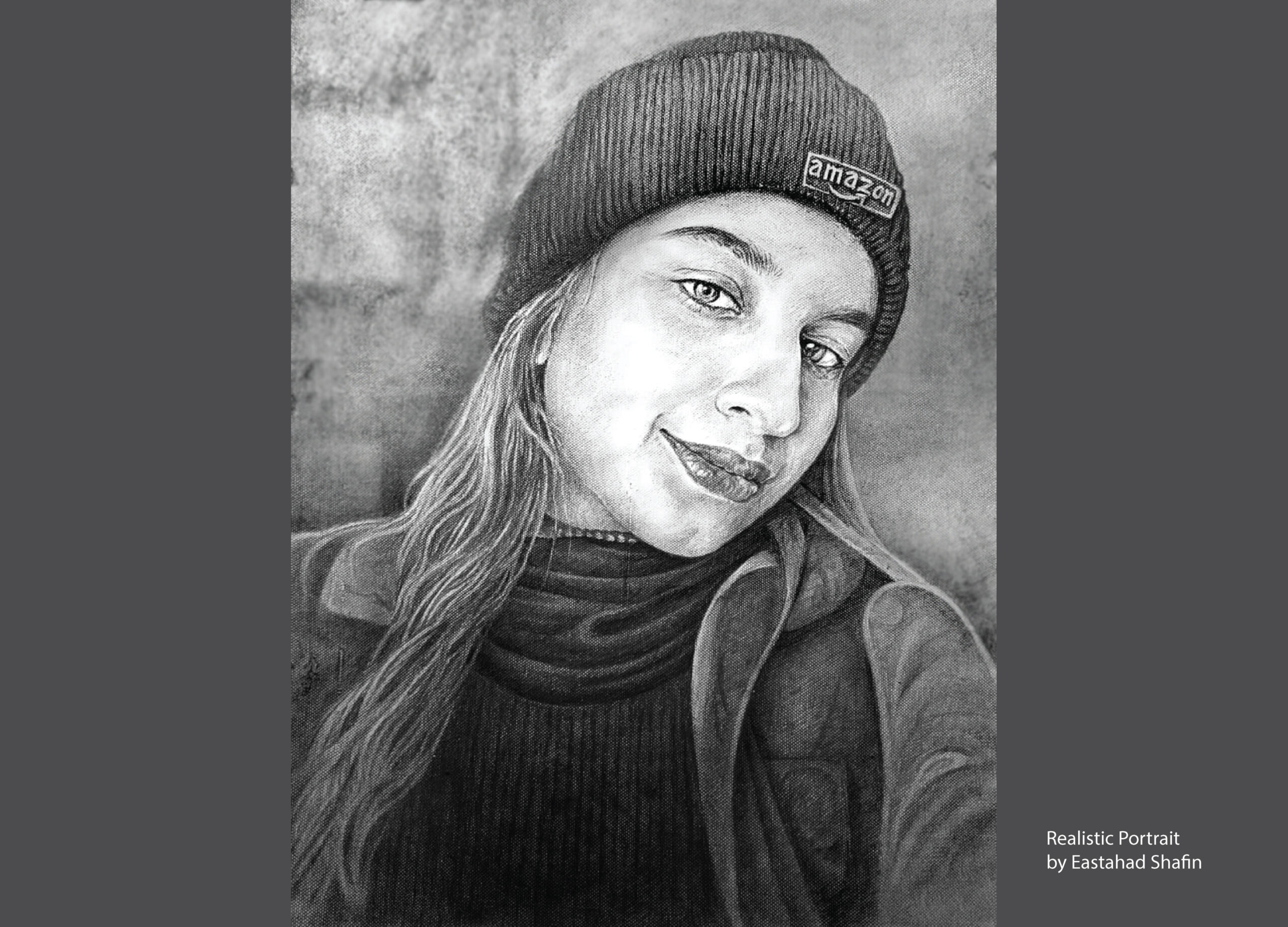
Why the Future of Branding Is Still Human?
In an age shaped by screens, grids, and automation, brands are slowly rediscovering something essential: human touch.
Hand-drawn lines, artistic imperfections, and expressive illustration are finding their place again inside digital branding—not as decoration, but as intention.
The future of branding isn’t about choosing between analog and digital.
It lives in the balance where traditional art meets modern design systems.
At studios like ours, this balance defines how meaningful brand identities are built for modern businesses around the world.
Traditional Art: The Root of Visual Intelligence
Traditional art builds visual understanding at its core.
Through drawing, sketching, and observation, artists develop a deep sense of:
- Form and proportion
- Composition and balance
- Light, texture, and depth
- Emotional expression through line
These fundamentals shape how ideas are felt, not just how they look.
Digital tools accelerate execution, but artistic judgment is learned through craft.
This foundation is what gives visual work authenticity.
Digital Design: Structure, Systems, and Scale
Digital design introduces clarity and control.
It allows brands to:
- Scale across platforms
- Maintain visual consistency
- Adapt quickly to new formats
- Communicate with precision
Grids, typography systems, and responsive layouts bring order.
But without artistic sensitivity, digital-only branding can feel generic and interchangeable.
That’s where many brands lose character.
When Art and Digital Design Work Together
The strongest brand identities today are created at the intersection of craft and technology.
This combination allows brands to:
- Feel expressive without losing clarity
- Stay human while remaining scalable
- Stand out without relying on trends
Hand-drawn elements introduce warmth and individuality.
Digital systems ensure those elements remain consistent across websites, packaging, and marketing materials.
It’s not chaos versus order — it’s thoughtful balance.
Why Brands Are Returning to Artistic Foundations
Audiences are visually mature.
They recognize templates, shortcuts, and overused trends instantly.
Brands rooted in artistic thinking feel intentional.
They feel considered — not manufactured.
That’s why more companies are embracing:
- Custom illustration in brand identity
- Hand-drawn details in packaging
- Organic visual language within digital layouts
Not for nostalgia — but for authenticity.
Human Craft Creates Emotional Connection
People remember what feels real.
A hand-drawn line carries a human decision.
An imperfect curve signals intention rather than automation.
When these qualities are translated into digital branding systems, brands feel more relatable, more honest, and more memorable.
This approach is central to how we think about brand identity at https://is2diocapital.com — where artistic foundations meet strategic digital execution.
Designing for Longevity, Not Trends
This isn’t about rejecting technology or romanticizing the past.
It’s about using digital tools with artistic discipline.
Designers who understand fine art and digital systems create identities that last — because they’re built on perception, not trends.
Final Thought
Tools will change.
Trends will fade.
Technology will evolve.
But human perception stays the same.
Brands grounded in art and refined through digital systems don’t just look good —
they feel right.
And that feeling is what people remember.
Let’s talk about your creative project with the #1 design agency globally.