Intentional design philosophy is no longer just a creative preference—it’s becoming the backbone of modern branding, product design, and digital experiences in 2026. As noise, automation, and template-driven creativity flood the internet, clarity is emerging as the strongest competitive advantage.
Design today isn’t about adding more. It’s about choosing better.
What Is Intentional Design Philosophy?
Intentional design philosophy is the practice of designing with purpose, restraint, and meaning. Every visual choice—color, spacing, typography, interaction—exists for a reason. Nothing is decorative by accident.

Unlike trend-driven or purely aesthetic design, intentional design starts with thinking, not visuals.
It asks:
- Why does this element exist?
- What problem does it solve?
- Who is it serving?
This philosophy shifts design from being beautiful to being useful, credible, and enduring.
Why Intentional Design Philosophy Matters More in 2026
In 2026, users are more design-literate than ever. They can instantly sense when something is over-designed, rushed, or artificial.
Intentional design philosophy matters because:
- Attention spans are shorter
- Trust is harder to earn
- Products and brands look increasingly similar
Clarity cuts through all of this.
Brands that adopt intentional design don’t compete on loudness—they compete on confidence.
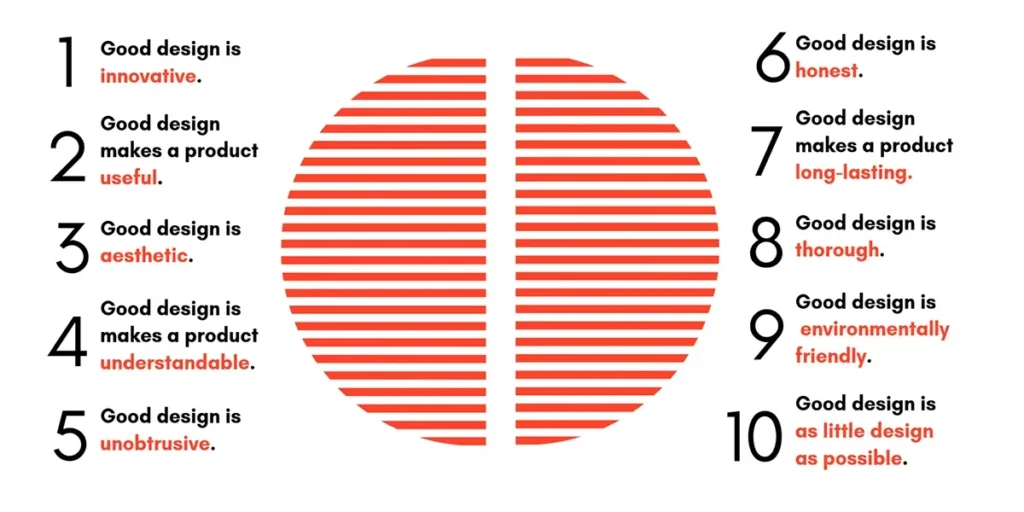
Intentional Design Philosophy vs Decorative Design
Decorative design focuses on how things look.
Intentional design philosophy focuses on the purpose of things.
| Decorative Design | Intentional Design Philosophy |
|---|---|
| Trend-driven | Purpose-driven |
| Visually loud | Visually calm |
| Short lifespan | Long-term relevance |
| Style-first | Meaning-first |
In an era where AI can generate visuals instantly, thinking becomes the differentiator.

Minimalism Is a Result, Not the Goal
Many people confuse intentional design philosophy with minimalism.
Minimalism is often the outcome—not the intention.
Intentional design can be:
- Minimal
- Expressive
- Bold
- Quiet
What matters is not how much is removed, but how clearly the message is delivered.
How Intentional Design Builds Brand Trust
Trust isn’t built through complexity. It’s built through consistency and clarity.
Intentional design philosophy helps brands:
- Communicate faster
- Reduce cognitive load
- Feel premium without being expensive
- Appear confident, not desperate
This is why industries like fintech, SaaS, and high-growth startups are moving toward calmer, more thoughtful design systems.
(You can see how this applies in real-world projects in our portfolio at is2dio Capital.)
Human-Centered Thinking at the Core
At its heart, intentional design philosophy is human-centered.
It respects:
- How people read
- How people decide
- How people feel overwhelmed
Design becomes a guide—not a distraction.
This approach aligns closely with usability principles outlined by organizations like Nielsen Norman Group, which consistently emphasizes clarity, hierarchy, and user intent over visual excess.
The Future of Creative Work Is Thoughtful
As tools become faster and cheaper, taste and judgment become more valuable.
The future of creative work belongs to:
- Designers who think before they create
- Brands that choose restraint over noise
- Founders who understand that design is strategy, not decoration
Intentional design philosophy isn’t a trend.
It’s a response to saturation.
Final Thought
In 2026, the most powerful brands won’t be the loudest.
They’ll be the clearest.
And clarity only comes from intention.
If you’re building a brand, product, or digital experience today, the real question isn’t how it looks—it’s why it exists.